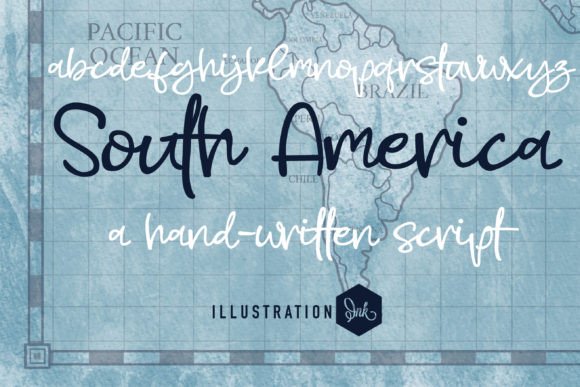
South America Design Aesthetic: Authentic Typography
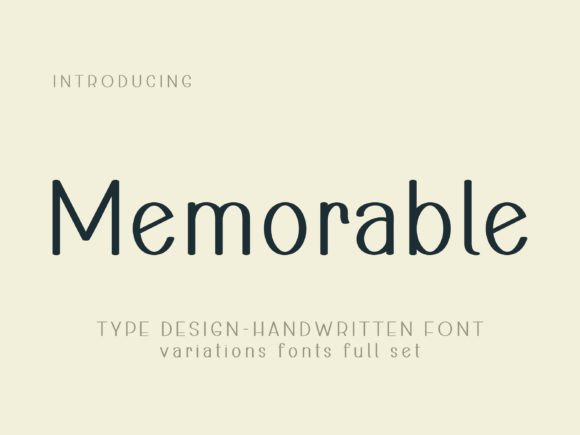
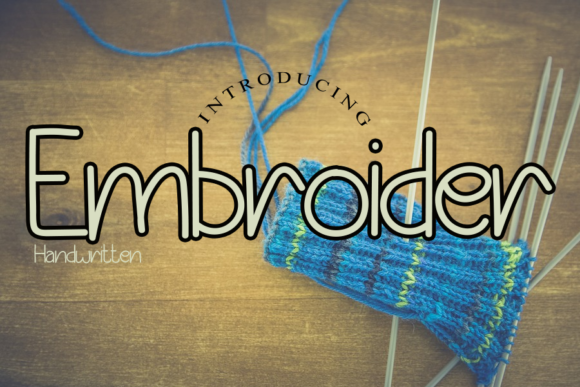
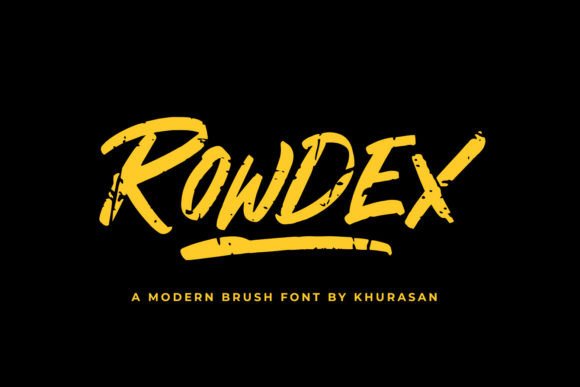
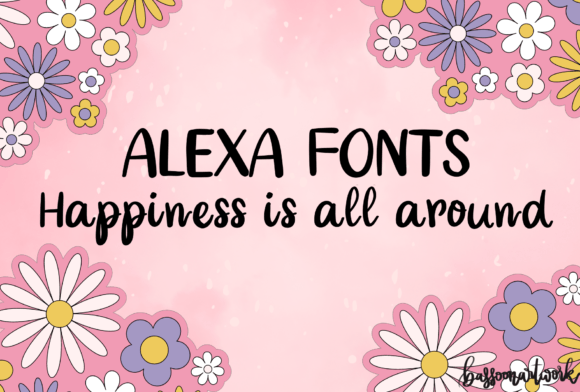
Inspired by the vibrant street art of Bogotá and the laid-back coastal vibes of Rio, the South America aesthetic in typography brings an unmatched warmth to digital and print design. This hand-crafted script font is very casual and almost a bit lazy-looking, perfectly capturing the relaxed yet expressive spirit of the region. A hand-crafted font is a font that is designed to look like it was written by hand, offering an organic counterpoint to the rigid geometric sans-serifs that dominate modern UI design. It is often used for invitations, greeting cards, and other items, but its potential reaches far beyond stationery into complex branding systems. Handwritten fonts can be either formal or informal, and they can be used for a variety of purposes, making them a versatile asset in any graphic designer's toolkit.
Authenticity in Branding and Visual Design
In today's saturated digital marketplace, consumers crave authenticity. Standard typefaces often feel sterile and corporate, whereas a script font with a "lazy" or relaxed flow injects humanity into a brand identity. When applied to logo design, this style suggests approachability and creativity. It tells the audience that a brand values personality over rigid perfection. For businesses in the lifestyle, travel, or artisan sectors, this typography choice is not just decorative; it is a strategic tool for visual communication that builds immediate trust and emotional connection.
Practical Applications for Creative Assets
The versatility of a casual, hand-crafted script allows it to shine across multiple platforms. Because it mimics the natural irregularities of human writing, it adds texture to flat digital designs. Here are several practical ways to integrate this style into your design workflow:
- Social Media Graphics: Use the font for quotes, headers, and calls-to-action. Its casual nature stops the scroll and feels native to platforms like Instagram, where authenticity drives engagement.
- Packaging Design: For food, beverage, or cosmetic products, a relaxed script implies a homemade or small-batch quality, enhancing the perceived value of the product.
- Web Design and UI: While body text requires high legibility, this font works beautifully for hero sections, landing page headers, and accent text to break the monotony of standard web fonts.
- Editorial Layouts: In magazines or blogs, use it for pull quotes or feature titles to create a conversational tone that draws the reader into the narrative.
Mastering Typography and Visual Hierarchy
While the aesthetic appeal of a hand-crafted script is high, successful implementation requires a strong understanding of visual hierarchy and readability. Because of its intricate loops and casual baseline, this font style is best suited for display sizes rather than long-form body copy. If used for smaller text, it can become illegible, frustrating the user and harming the UX design.
To maintain a professional presentation, pair this script with a clean, neutral sans-serif. This contrast creates a visual rhythm that guides the eye. For example, use the "lazy" script for the main headline to grab attention, and a geometric sans-serif for subheadings and descriptions to ensure clarity. This balance is crucial in digital marketing materials where information must be communicated quickly and effectively.
Color Palette and Composition Tips
The color palette you choose will dictate the final mood of the design. To lean into the South America inspiration, consider warm terracotta, deep jungle greens, or ocean blues. These colors complement the organic nature of hand-crafted fonts. However, for a more modern aesthetic, high-contrast black and white allows the texture of the letters to stand out without distraction. Always test your typography against your background imagery to ensure the letters don't get lost in the composition.
Ultimately, the goal of using a casual, hand-crafted script is to bridge the gap between the brand and the consumer. It transforms a static message into a personal conversation. By carefully selecting these creative assets and applying them with discipline, designers can elevate their projects from merely functional to truly memorable, ensuring that every piece of communication feels as warm and inviting as a handwritten note.