Rowdex: Elevating Modern Design with Bold Typography
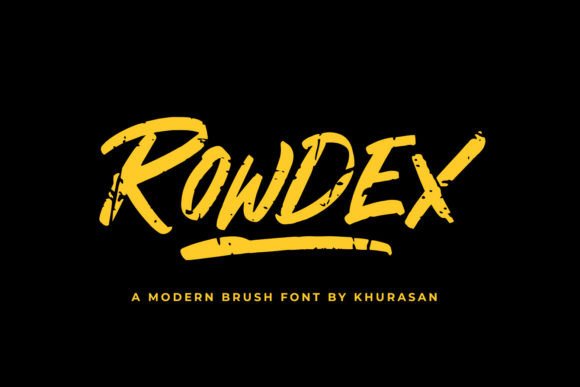
In a digital landscape saturated with minimalist fonts, sometimes a project demands a voice that is unapologetically loud and expressive. That is exactly where Rowdex steps in—a modern bold brush font designed to inject immediate energy into any visual layout. It captures the essence of raw creativity while maintaining the structural integrity required for professional graphic design.
The Power of the Brush Stroke in Branding
Typography is the backbone of brand identity, and choosing the right typeface can drastically alter how an audience perceives a message. Unlike standard sans-serifs, a brush font like Rowdex carries a human touch. It suggests authenticity, passion, and movement. For designers working on projects that need to feel personal yet powerful, this typeface bridges the gap between casual handwritten styles and heavy industrial display fonts.
When developing a brand strategy, visual hierarchy is paramount. You need elements that guide the viewer’s eye naturally. Because of its thick strokes and textured edges, Rowdex serves as an excellent focal point. It commands attention for headlines and subheadings, allowing you to pair it with cleaner, more legible body text to create a balanced composition.
Practical Applications for Maximum Impact
The versatility of a bold brush font allows it to shine across various mediums. Whether you are working on print design or digital marketing assets, the goal is to create visual communication that resonates. Here are several practical scenarios where this style of typography proves invaluable:
- Logo Design: A logo needs to be memorable. The quirky, hand-drawn aesthetic of a font like Rowdex can make a brand stand out from corporate competitors, perfect for lifestyle brands, coffee shops, or fitness studios.
- Poster and Banner Design: Large-scale print requires fonts that remain readable from a distance. The bold weight ensures legibility while the brush texture adds artistic flair to event promotions or magazine covers.
- Social Media Graphics: On fast-scrolling feeds, you have seconds to capture interest. Textured typography breaks the monotony of standard digital fonts, increasing user engagement and click-through rates.
- Packaging Design: For products sitting on a shelf, packaging design must evoke emotion. A handwritten style suggests craftsmanship and organic quality, which is ideal for artisanal goods.
Integrating Typography into Your Design Workflow
Effective typography is rarely used in isolation. To truly elevate your creative projects, you must consider how Rowdex interacts with other design elements like color palette and imagery. Because bold fonts have high visual weight, they often pair best with neutral backgrounds or simple geometric shapes. This contrast prevents the design from becoming cluttered and ensures the message remains the hero of the composition.
When selecting creative assets, always evaluate scalability. A professional presentation or UI design requires assets that look crisp on high-resolution screens and in print. Furthermore, consider the tone of your content. This font excels in contexts that call for energy and enthusiasm—think advertising campaigns, merchandise, or dynamic web headers—rather than dense body copy where readability is the primary concern.
Design Tips for Using Bold Fonts
- Mind the Spacing: Brush fonts often benefit from slightly increased letter spacing (tracking) to prevent characters from clashing, especially in all-caps usage.
- Contrast is Key: Pair your bold display font with a simple sans-serif or serif for body text to maintain a clean visual hierarchy.
- Color Theory: Use high-contrast color combinations. White or light text on a dark background can make the brush strokes pop dramatically.
Ultimately, the tools you choose define the quality of your output. By incorporating assets that possess character and versatility, you streamline your design workflow and elevate the final result. Whether you are building a brand identity from scratch or refreshing a marketing campaign, making thoughtful typographic choices ensures your message is not just seen, but felt.