Work from Home: The Handwritten Font for Authentic Design
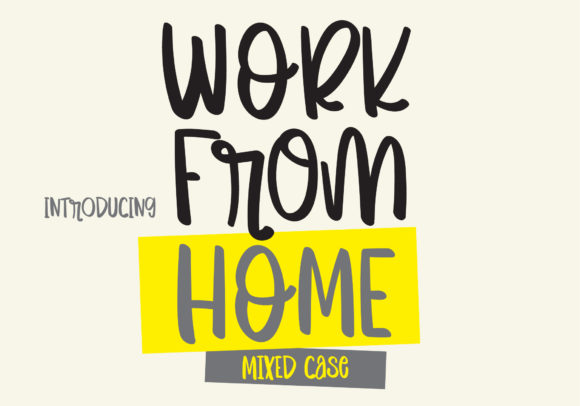
Imagine a typeface that captures the casual authenticity of a handwritten note, yet possesses the versatility and polish of a professional design asset. That's the essence of the Work from Home font, an all-caps, mixed-style handwritten typeface that brings a unique, natural character to a vast array of creative projects. Its distinct personality makes it a powerful tool for designers seeking to inject warmth, approachability, and a human touch into their visual communication.
Understanding the Role of Handwritten Typography in Modern Design
In an era dominated by clean sans-serifs and sharp geometric fonts, a well-crafted handwritten typeface like Work from Home offers a compelling contrast. It serves as a vital element in a designer's toolkit, particularly for projects where establishing an emotional connection is paramount. This font isn't just about letters; it's about conveying a mood—whether it's the cozy comfort of a home-based business, the creative energy of an independent artist, or the personal touch of a bespoke service. Its mixed style, blending slightly different weights and connections, prevents it from looking overly rigid or digital, enhancing its organic appeal.
Practical Applications Across Creative Projects
The true strength of the Work from Home font lies in its adaptability. It can elevate designs across multiple mediums, provided it's used with intention and an understanding of its character. Here’s how it can be integrated into key areas of graphic design and visual branding:
- Brand Identity & Logo Design: Ideal for brands that want to project friendliness, creativity, or artisanal quality. It works beautifully for logos, wordmarks, and brand collateral for cafes, boutique shops, lifestyle blogs, and craft-based businesses.
- Marketing & Social Media Graphics: Grabs attention in digital spaces. Use it for headlines on Instagram posts, quote graphics, promotional banners, and email headers to add personality and stand out in a crowded feed.
- Editorial & Packaging Design: Adds a handcrafted feel to book covers, magazine pull quotes, product labels, and packaging. It can make a product feel more personal and curated, enhancing the unboxing experience.
- Web & UI Design: When used sparingly for hero text, section headers, or call-to-action buttons, it can soften a digital interface and guide user engagement with a friendly, inviting tone.
- Presentations & Merchandise: Breaks the monotony of standard corporate fonts in slide decks and creates eye-catching designs for merchandise like t-shirts, mugs, and posters.
Tips for Effective Implementation and Design Cohesion
To maximize the impact of a font like Work from Home, consider these practical guidelines for your design workflow:
- Prioritize Readability and Hierarchy: As an all-caps display font, it's best suited for headlines, titles, and short bursts of text. Avoid using it for long paragraphs. Pair it with a clean, simple sans-serif or serif font for body copy to ensure legibility and establish a clear visual hierarchy.
- Maintain Brand Consistency: Ensure the font's style aligns with your overall brand identity and color palette. Its casual nature should complement, not clash with, your brand's core message and other design elements.
- Test for Scalability and Context: Check how the font renders at various sizes, from a small website header to a large printed banner. Consider your audience's expectations—a playful handwritten font might not suit a formal financial report but could be perfect for a children's brand.
- Balance with Other Visual Elements: Let the font be a focal point. Balance its expressive style with more subdued imagery, ample white space, and a cohesive composition to avoid visual clutter and maintain a professional presentation.
Ultimately, the choice of typography is a fundamental design decision that directly influences user experience and brand perception. Selecting a creative asset like the Work from Home font is about more than just aesthetics; it's about choosing a voice for your visual narrative. By thoughtfully integrating such distinctive typefaces, designers can craft more engaging, memorable, and effective communications that resonate deeply with their intended audience, proving that the right font is indeed a cornerstone of quality design.