Retro Notes: The Charming Typeface for Authentic Design
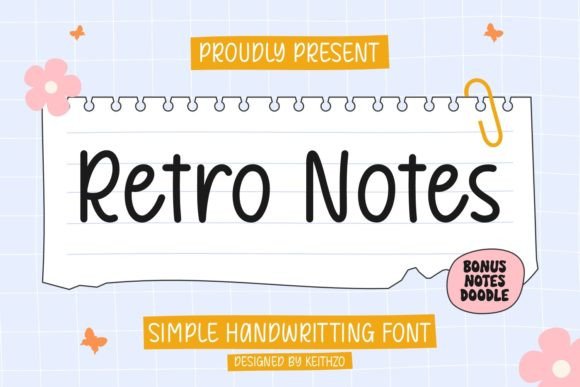
Imagine a font that doesn't just convey words, but evokes a feeling of nostalgia and warmth. Retro Notes is that typeface—a beautifully crafted, legible script that captures the essence of classic handwriting, offering designers a powerful tool to inject personality and authenticity into their work. In a digital landscape saturated with sterile, geometric fonts, this typeface provides a much-needed breath of fresh air, blending vintage charm with modern functionality.
Understanding the Appeal of Retro Aesthetics in Modern Design
The resurgence of retro design trends is more than a fleeting fad; it's a strategic response to the often impersonal nature of digital communication. Consumers crave connection, and visual styles that reference the past—whether through texture, color palette, or typography—can build instant rapport. Retro Notes taps directly into this desire. Its handwritten look isn't just decorative; it communicates effort, care, and a human touch. This makes it an invaluable asset for projects where emotional engagement is key, from branding and packaging to social media graphics that aim to stop the scroll.
Practical Applications Across Creative Projects
The versatility of Retro Notes is one of its greatest strengths. It functions as more than just a headline font; it can be a core component of a visual identity system. Consider its role in these specific areas:
- Branding and Logo Design: Use it to craft logos for boutique brands, artisanal products, or cafes that want to emphasize a handmade, community-focused identity. It pairs exceptionally well with earthy color palettes and textured backgrounds.
- Marketing and Editorial Layouts: Break the monotony of body copy by using Retro Notes for pull quotes, chapter titles, or call-to-action phrases in brochures, magazines, and digital lookbooks. It guides the reader's eye and adds a layer of visual hierarchy.
- Web and UI Design: In user interface design, use it sparingly but effectively. It can highlight a special offer on a landing page, personalize a 404 error message, or style a blog post title to create a distinct, memorable user experience.
- Packaging and Merchandise: From craft coffee labels to indie book covers and t-shirt designs, this font adds an artisanal quality that communicates value and uniqueness, helping products stand out on a shelf or in an online store.
Integrating a Script Font into Your Design Workflow
Successfully incorporating a typeface like Retro Notes requires thoughtful execution. First, prioritize readability. While its charm is undeniable, test it at various sizes and against different backgrounds to ensure legibility, especially for crucial information. Second, maintain visual harmony. Pair it with clean, sans-serif or serif fonts for body text to create a balanced composition. Let Retro Notes serve as the accent that draws attention, not the element that overwhelms the design.
Always consider your audience and design goals. A playful, handwritten font is perfect for a children's craft brand but might undermine the authority of a financial services report. Evaluate the font's character set—does it include the ligatures, alternates, and numerals your project needs? Finally, ensure scalability. A font that looks beautiful on a greeting card must remain crisp when scaled for a large-format banner or a small mobile screen.
In the end, thoughtful design is about choosing tools that align with your message and resonate with your audience. Assets like Retro Notes are more than just decorative elements; they are conduits for emotion and personality. By selecting and applying such creative resources with intention, you elevate your work from mere visual arrangement to compelling storytelling, ensuring your designs are not only seen but genuinely felt.