Wildline: The Handwritten Font for Authentic Branding
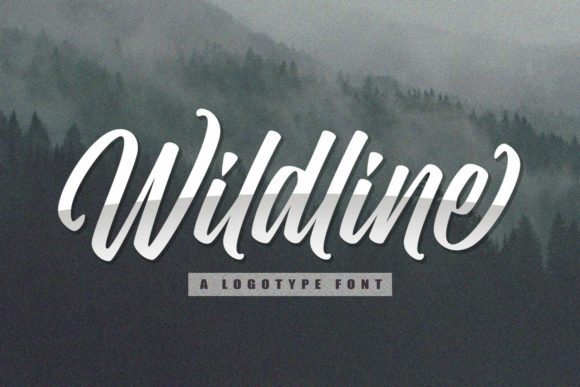
In a digital landscape saturated with sterile, geometric typefaces, a font with genuine personality can be the secret weapon in a designer's toolkit. Finding that perfect blend of approachability and professionalism is a common challenge, especially when aiming for authentic visual communication. Enter Wildline, a bold and classic handwritten font that masterfully balances clean lines with a touch of quirkiness. This unique character makes it an exceptional resource for projects that demand a human touch without sacrificing clarity or modern aesthetics.
From a graphic design perspective, Wildline is more than just a script font; it's a strategic creative asset. Its design is inherently versatile, making it suitable for a wide array of applications where personality and readability are paramount. The font's PUA encoding is a significant practical advantage, providing seamless access to all glyphs and swashes. This feature empowers designers to craft intricate typographic compositions, add elegant flourishes, or create custom ligatures that elevate a brand's visual identity from standard to standout.
Practical Applications for Modern Design
The true value of a typeface like Wildline is realized in its application. Its distinctive style can transform the effectiveness of numerous design projects, strengthening brand recall and enhancing user engagement. Consider its role in these key areas:
- Branding and Logo Design: Wildline is an ideal choice for creating memorable logos, especially for lifestyle brands, artisanal products, boutique agencies, or personal brands. Its handwritten quality conveys authenticity, craftsmanship, and a personal connection, which are crucial elements in modern branding.
- Social Media Graphics: On platforms like Instagram and Pinterest, where visual hierarchy and quick engagement are vital, Wildline can make headlines, quotes, and call-to-action text pop. It helps create a consistent and recognizable aesthetic across posts, stories, and profiles.
- Packaging and Print Design: For product labels, book covers, greeting cards, or editorial layouts, this font adds a layer of tactile appeal. It suggests care and creativity, influencing consumer perception and enhancing the unboxing experience.
- Web and UI Design: Used judiciously for hero sections, pull quotes, or specific UI elements, Wildline can inject warmth into a digital interface. It helps guide the user's eye and break up monotonous blocks of text, improving the overall user experience (UX).
Integrating Wildline into Your Design Workflow
Selecting the right font is only the first step. Effective integration requires thoughtful consideration of context and composition. To maximize the impact of a handwritten font like Wildline, adhere to these design principles:
- Prioritize Readability and Scalability: Always test the font at various sizes. While perfect for large display text, ensure it remains legible when scaled down for smaller applications or dense body copy. Pair it with a clean, neutral sans-serif or serif font for balanced visual hierarchy.
- Maintain Brand Consistency: Define clear guidelines for its use within a brand's style guide. Specify which contexts it should appear in—such as primary logos, secondary headlines, or accent text—to ensure a cohesive professional presentation across all touchpoints, from digital marketing materials to physical merchandise.
- Consider Audience and Context: Align the font's personality with the target audience's expectations. Its quirky, classic style may resonate perfectly with creative consumers but might require careful pairing or application in more formal corporate settings.
Ultimately, the tools we choose directly influence the quality of our creative output. Thoughtful typography is a cornerstone of effective visual design, impacting everything from immediate aesthetic appeal to long-term brand recognition. By incorporating versatile and well-crafted assets like the Wildline font into your projects, you invest in a more authentic, engaging, and polished design language. This strategic approach not only enhances the beauty of your work but also significantly improves its ability to communicate, connect, and leave a lasting impression.