The Index Card Font: A Handwritten Charm for Modern Design
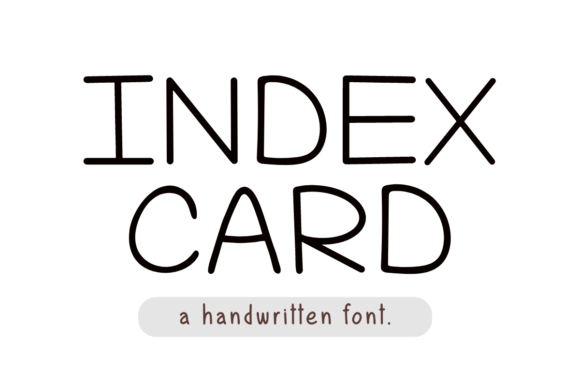
In a digital landscape saturated with sleek, impersonal typefaces, the human touch can be a powerful differentiator. Enter Index Card, a simple yet charming handwritten font that injects personality and warmth into any project. Its appeal lies in its ability to make text the centerpiece of your design, creating an immediate, authentic connection with the viewer that polished sans-serifs often lack.
From a graphic design perspective, Index Card is more than just a novelty; it's a versatile creative asset. Its playful, legible style makes it exceptionally useful for projects targeting families, educators, and small businesses. Think children's book titles, classroom materials, or artisan product labels. The font's inherent approachability strengthens brand identity by conveying friendliness and creativity, which is invaluable in visual communication and logo design for certain niches.
Practical Applications Across Design Disciplines
The true value of a typeface like Index Card is revealed in its application. Its simple, cute aesthetic can be strategically deployed across a wide range of creative projects to achieve specific goals.
- Branding & Logo Design: Ideal for bakeries, craft stores, tutoring services, or any brand wanting to project a handmade, friendly image.
- Marketing Materials: Use it for headlines on flyers, posters, and social media graphics to grab attention and convey approachability.
- Editorial & Packaging Design: Perfect for recipe book headers, product packaging for organic goods, or whimsical stationery sets.
- Digital & UI Design: Can add character to blog post titles, email headers, or call-to-action buttons in a casual web design context.
When integrating Index Card into a design workflow, consider its role within your overall visual hierarchy. It works best as a display font for short bursts of text—titles, labels, or quotes—rather than for long body copy. Pair it with a clean, neutral sans-serif or serif font for secondary information to maintain readability and balance.
Tips for Effective Implementation
To ensure a professional presentation, evaluate how the font interacts with other design elements. Its charm can be undermined by poor execution.
- Test Readability: Always check legibility at various sizes and against different color palettes and backgrounds.
- Maintain Consistency: Use it consistently within a project to reinforce the intended brand voice, but avoid overuse which can dilute its impact.
- Consider the Audience: Align the font's playful style with your audience's expectations. It may not suit a formal financial report but is perfect for a community event.
- Ensure Compatibility: Verify the font's licensing for your intended use, whether for print design, digital products, or merchandise.
Ultimately, thoughtful typography is a cornerstone of effective design. Choosing a resource like the Index Card font allows creators to move beyond generic templates and craft visuals with genuine personality. By selecting creative assets that align with a project's goals and audience, designers and business owners can significantly enhance both the aesthetic appeal and communicative power of their work, leading to more engaging and memorable results.