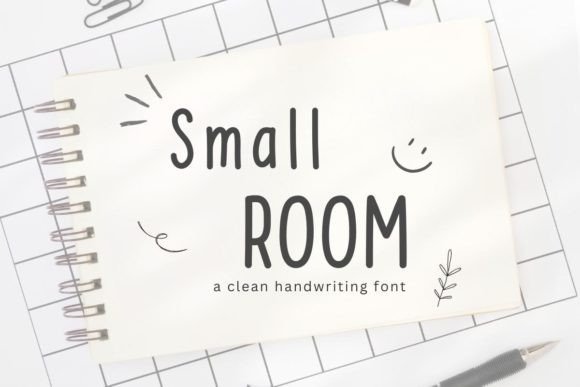
Small Room: A Handwritten Font for Modern Design
Finding a typeface that balances authenticity with versatility can transform a good design into a memorable one. The Small Room font, a simple and neat handwritten style, offers just that—bringing a personal, approachable feel to digital projects without sacrificing clarity or professionalism.
The Role of Authentic Typography in Visual Design
In today's graphic design landscape, typography is a cornerstone of brand identity and user experience. A font like Small Room serves a specific purpose: it injects humanity and warmth into digital communication. Its handwritten nature mimics the organic flow of pen on paper, which can evoke trust, creativity, and relatability. For designers, this means a powerful tool to soften corporate aesthetics, highlight key messages, or establish a distinct visual voice in crowded digital spaces.
Practical Applications Across Creative Projects
The utility of a clean handwritten font extends far beyond casual notes. Its strength lies in its adaptability across various design contexts where a personal touch enhances the message.
- Branding and Logo Design: Use it for logotypes, taglines, or sub-brands to convey a handmade, artisanal, or boutique quality.
- Marketing Materials: Apply it to brochures, flyers, and email headers to create engaging callouts or quotes that draw the eye.
- Social Media Graphics: Perfect for Instagram stories, Pinterest pins, and YouTube thumbnails where a friendly, conversational tone boosts engagement.
- Digital Products and UI: Ideal for digital planners, invitations, greeting cards, and app interfaces where a human-centric design improves the user experience (UX).
- Packaging and Editorial Design: Effective for product labels, book covers, and magazine pull-quotes to add character and guide the reader's focus.
Integrating a font like Small Room into your design workflow allows for rapid prototyping of concepts that require a personal narrative. It pairs exceptionally well with clean sans-serifs and minimalist layouts, creating a compelling visual hierarchy that guides the viewer's eye naturally.
Evaluating and Implementing Font Choices
When selecting any typeface for a professional project, consider these key factors to ensure it enhances rather than hinders your communication:
- Readability and Scalability: Test the font at various sizes. A good handwritten font maintains legibility from a headline down to smaller body text or annotations.
- Context and Audience: Align the font's personality with your brand's voice and your audience's expectations. A playful script may not suit a formal financial report, but it could be perfect for a lifestyle blog or a children's brand.
- System Compatibility: Ensure the font works seamlessly with your existing design software (like Procreate or Adobe Suite) and color palette. Check that it renders well across different devices and browsers for web design projects.
Thoughtful typography is a silent ambassador for your brand. Choosing a resource like Small Room is not merely about aesthetic preference; it's a strategic decision to communicate warmth, clarity, and approachability. By carefully curating your creative assets, you build a cohesive visual language that strengthens brand recognition, fosters audience connection, and elevates the overall quality of your design output.