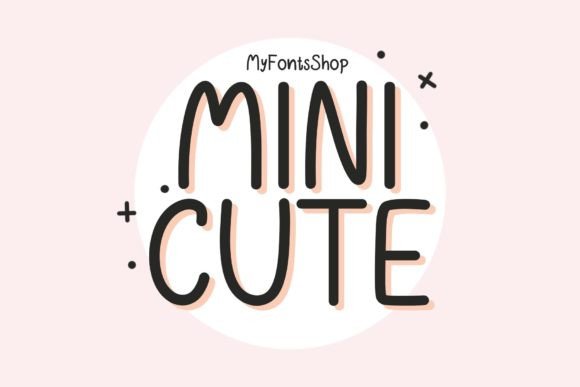
Minicute: A Sweet Handwritten Font for Modern Design
In the crowded landscape of digital design, finding a typeface that conveys warmth, personality, and authenticity can be a game-changer. The Minicute font is a sweet and friendly handwritten style that offers just that—a natural, unique aesthetic that can elevate a wide array of creative projects. Its charm lies in its ability to feel personal and approachable, making it an incredibly versatile tool for designers, marketers, and creators looking to make a genuine connection with their audience.
Understanding the Appeal of Handwritten Typography
Modern graphic design often seeks to balance digital precision with human touch. Fonts like Mini Cute fill this niche perfectly. Unlike sterile, geometric typefaces, a handwritten font introduces imperfections and organic flow that mimic real-life communication. This quality is invaluable in branding and visual communication, as it can soften a brand's voice, evoke nostalgia, or create an inviting user experience. The key is selecting a style that aligns with your project's design goals and audience expectations.
Practical Applications Across Creative Projects
The true value of a creative asset like Minicute is measured by its usability. Its friendly character makes it suitable for numerous applications, enhancing both aesthetics and communication.
Strengthening Brand Identity and Logo Design
For brands targeting a youthful, artisanal, or approachable market, this font can become a cornerstone of the brand identity. It works beautifully in logo design for bakeries, craft stores, children's brands, or lifestyle blogs, instantly conveying a sense of care and personality. Paired with a complementary color palette, it helps build a cohesive and memorable visual hierarchy.
Engaging Marketing and Social Media Content
In digital marketing and social media graphics, standing out is crucial. Using Minicute for headlines, quotes, or call-to-action text can make posts feel more relatable and engaging. It's particularly effective in Instagram stories, Pinterest pins, and Facebook ads where a personal touch can increase click-through rates and shares.
Enhancing Digital and Print Design
Beyond the screen, this handwritten style shines in packaging design, editorial layouts, and print design. Imagine it on product labels, greeting cards, or magazine pull quotes. In web design and UI design, it can be used sparingly for decorative elements or key messages to add a layer of warmth without compromising readability or scalability.
Tips for Effective Implementation
Integrating any new typeface into your design workflow requires thoughtful consideration. Here are key factors to evaluate:
- Consistency and Hierarchy: Use Minicute for specific purposes, like headings or accents, and pair it with a clean, simple sans-serif or serif font for body text to maintain visual hierarchy and ensure legibility.
- Audience and Context: Consider if the playful, casual tone aligns with your target audience and the message's context. It may not suit formal corporate communications but is perfect for creative or consumer-facing projects.
- Technical Readability: Test the font at various sizes, especially for web design and UI design. Ensure it remains clear on different devices and in small digital products like icons or buttons.
- Compatibility: Evaluate how it works with your existing color palette, imagery, and other design elements. A successful professional presentation relies on all components working harmoniously.
Ultimately, the most impactful designs are built on intentional choices. Selecting a typeface like Minicute is about more than just style; it's about choosing a voice for your project. By thoughtfully applying such creative assets, you can transform standard layouts into compelling narratives that resonate deeply with viewers, proving that in visual design, the right detail makes all the difference.