Elevate Your Visual Design with Clipart
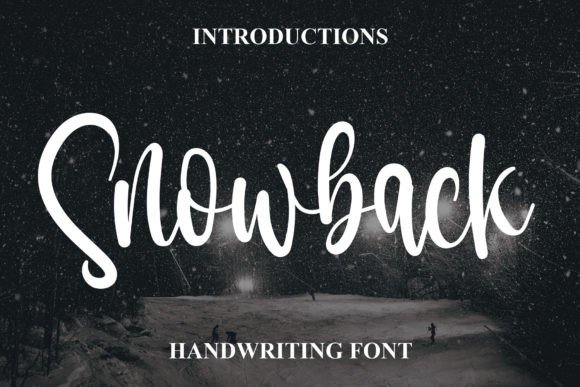
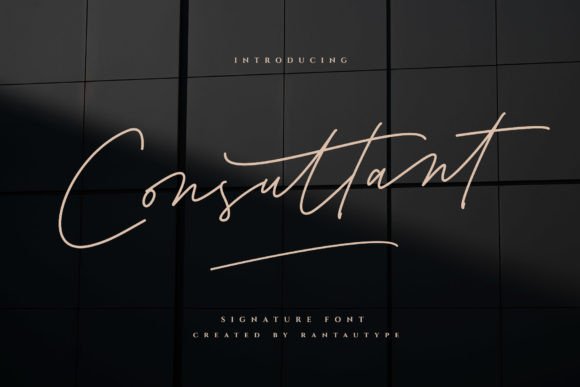
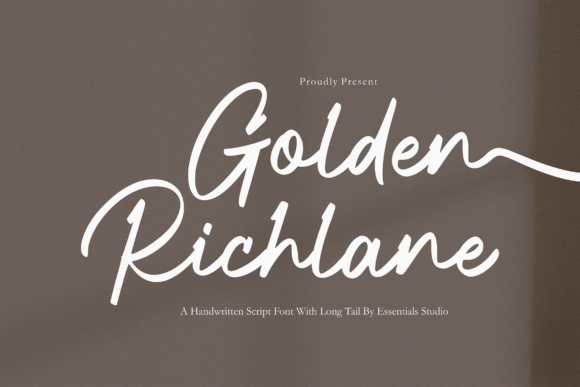
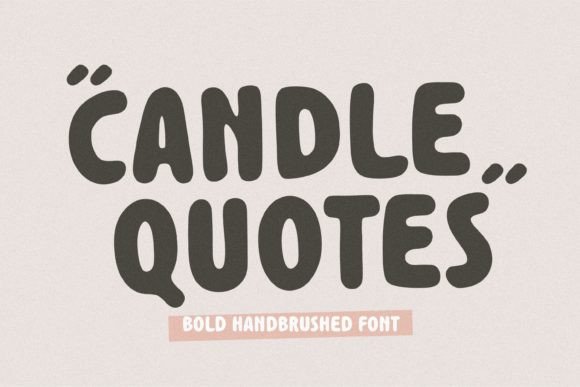
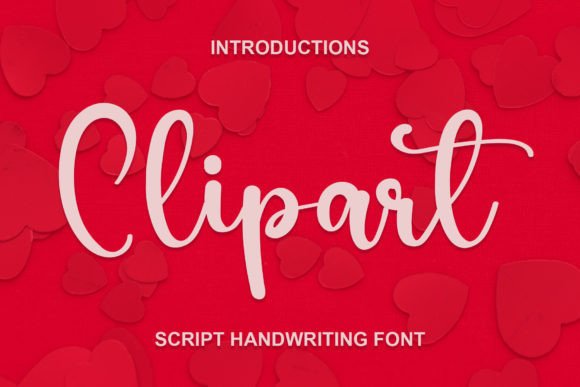
In the vast landscape of digital assets, finding a single element that bridges classic elegance with contemporary flair can transform a project from ordinary to unforgettable. Clipart is a stylish handwritten font with a contemporary atmosphere and impeccable form, inspired by timeless classic calligraphy. This particular creative asset is more than just a typeface; it is a design solution crafted to infuse warmth, personality, and sophistication into a wide array of visual communications. For graphic designers, marketers, and brand builders, understanding how to leverage such a resource is key to creating compelling narratives and professional presentations.
The Power of Handwritten Typography in Modern Branding
Typography is a cornerstone of graphic design and a powerful tool in shaping brand identity. While sans-serifs offer clarity and serifs suggest tradition, handwritten fonts like Clipart introduce a human touch. This style of typography evokes authenticity, creativity, and approachability. Its balanced and varied letterforms ensure that while it feels personal, it remains highly legible—a critical factor for effective communication. When integrated into a brand's color palette and overall design system, a font like Clipart can become a signature element that makes logos, packaging, and digital content instantly recognizable and emotionally resonant.
Practical Applications Across Creative Projects
The versatility of a well-designed handwritten font extends across numerous creative applications, enhancing both digital and print design workflows. Here are key areas where this style of asset excels:
- Logo Design and Brand Identity: Use it to craft unique wordmarks or add a distinctive flair to brand names, especially for lifestyle, boutique, artisanal, or creative service businesses.
- Marketing and Social Media Graphics: It is perfect for creating engaging quotes, call-to-action phrases, and campaign headlines that stand out in crowded feeds, improving user engagement.
- Editorial and Web Design: Implement it for pull quotes, section headers, or interactive elements in UI design to guide the user's eye and add personality to a layout without compromising the user experience (UX).
- Packaging and Print Design: From product labels to thank-you cards, it adds a premium, handcrafted feel that can elevate the perceived value of physical goods.
- Digital Products and Presentations: Enhance slideshows, e-books, or online course materials to make the content feel more accessible and engaging for the audience.
Integrating Design Assets Effectively
Simply having a stylish asset isn't enough; strategic implementation is what yields professional results. When incorporating elements like Clipart into your design workflow, consider these principles:
- Maintain Visual Hierarchy: Use handwritten fonts for headlines or key phrases, not for long paragraphs of body text. Pair them with a clean, simple typeface for readability to create a clear and balanced hierarchy.
- Ensure Consistency: The font should align with your overall brand voice and visual design language. Its contemporary atmosphere should complement, not clash with, other design elements like imagery and color schemes.
- Prioritize Scalability and Readability: Test the font at various sizes, especially for digital marketing materials and responsive web design, to ensure it remains legible across all devices and formats.
- Consider the Audience: The aesthetic of a handwritten font should resonate with your target demographic's expectations and preferences, whether for advertising campaigns or merchandise.
Thoughtful design choices are what separate good projects from great ones. Quality creative assets like Clipart provide the foundational tools for building a polished and professional aesthetic. By selecting resources that offer both beauty and functionality, you empower your creative projects to communicate more effectively, strengthen brand recall, and create a more engaging and memorable experience for your audience. The right typography does not just display words; it gives them a voice.