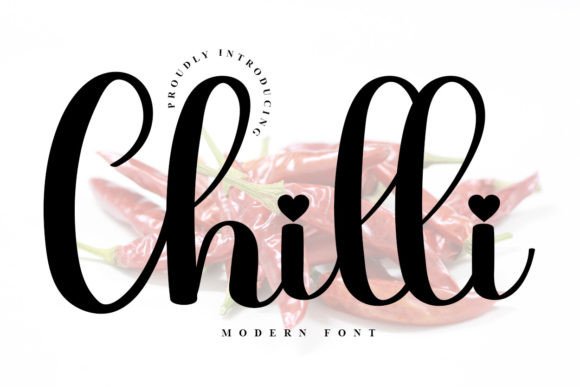
Chilli: The Sweet Handwritten Font for Creative Designs
Imagine a font that feels like a warm, friendly note from a friend, instantly adding personality and charm to any project. That's the unique power of the Chilli font. This sweet and friendly handwritten style is more than just a typeface; it's a versatile creative asset designed to inject a natural, approachable, and highly distinctive vibe into a vast array of visual design work. Its organic flow and unique character make it an invaluable tool for designers seeking to break away from rigid, formal typography and connect with audiences on a more human level.
Why Handwritten Fonts Like Chilli Matter in Modern Design
In a digital landscape saturated with clean, geometric sans-serifs, a font like Chilli offers a refreshing contrast. It taps into current design trends that favor authenticity, warmth, and personal expression. From a professional graphic design perspective, its value lies in its ability to strengthen brand identity by conveying specific emotions—friendliness, creativity, playfulness, or artisanal quality. This makes it a strategic choice for businesses aiming to stand out and foster a stronger emotional connection through their visual communication.
Practical Applications for Creative Projects
The true strength of the Chilli font is its remarkable adaptability across numerous creative projects. Consider its role in enhancing various design outputs:
- Branding and Logo Design: Perfect for boutique brands, cafes, craft businesses, or personal blogs where a handcrafted, approachable identity is key. It can form the core of a logo or be used for complementary brand elements.
- Marketing Materials: Elevates flyers, brochures, and posters for events, sales, or social campaigns, adding a personal touch that captures attention.
- Social Media Graphics: Creates engaging, relatable content for platforms like Instagram and Pinterest, making quotes, announcements, and stories feel more authentic and shareable.
- Packaging Design: Ideal for artisanal food products, cosmetics, or handmade goods, communicating care and craftsmanship directly on the label.
- Web and UI Design: When used sparingly and strategically, it can highlight specific headings, quotes, or call-to-action buttons in a website or app, guiding the user's eye and improving engagement without compromising overall readability.
- Editorial and Print Design: Adds flair to magazine layouts, book covers, or wedding invitations, creating visual interest and a distinct mood.
Integrating Chilli Effectively into Your Design Workflow
Choosing a font is a critical decision in the design process. To use a typeface like Chilli effectively, consider these practical tips:
- Define the Goal: Always start with the project's objective. Is it to convey warmth, creativity, or a relaxed vibe? Ensure the font's personality aligns with the message and target audience.
- Ensure Readability and Scalability: Test the font at various sizes. While beautiful for headlines, handwritten styles can become challenging to read in long body copy. Use it for impactful, short text elements to maintain a clear visual hierarchy.
- Maintain Consistency: When building a brand identity, use the font consistently across all touchpoints to reinforce recognition. Pair it with a clean, complementary sans-serif or serif font for body text to create balance and professionalism.
- Consider Color and Composition: The font's effect is amplified by its context. Pair it with a thoughtful color palette and strong compositional elements to create a polished and cohesive final presentation.
Ultimately, the Chilli font exemplifies how a single, well-chosen creative asset can significantly elevate a project's aesthetic and communicative power. By thoughtfully integrating such typography into your graphic design toolkit, you empower yourself to create more engaging, memorable, and effective visual designs that resonate deeply with your intended audience, proving that the right typeface is indeed a cornerstone of successful visual storytelling.